The Most Profitable Hong Kong Business Models in 2026
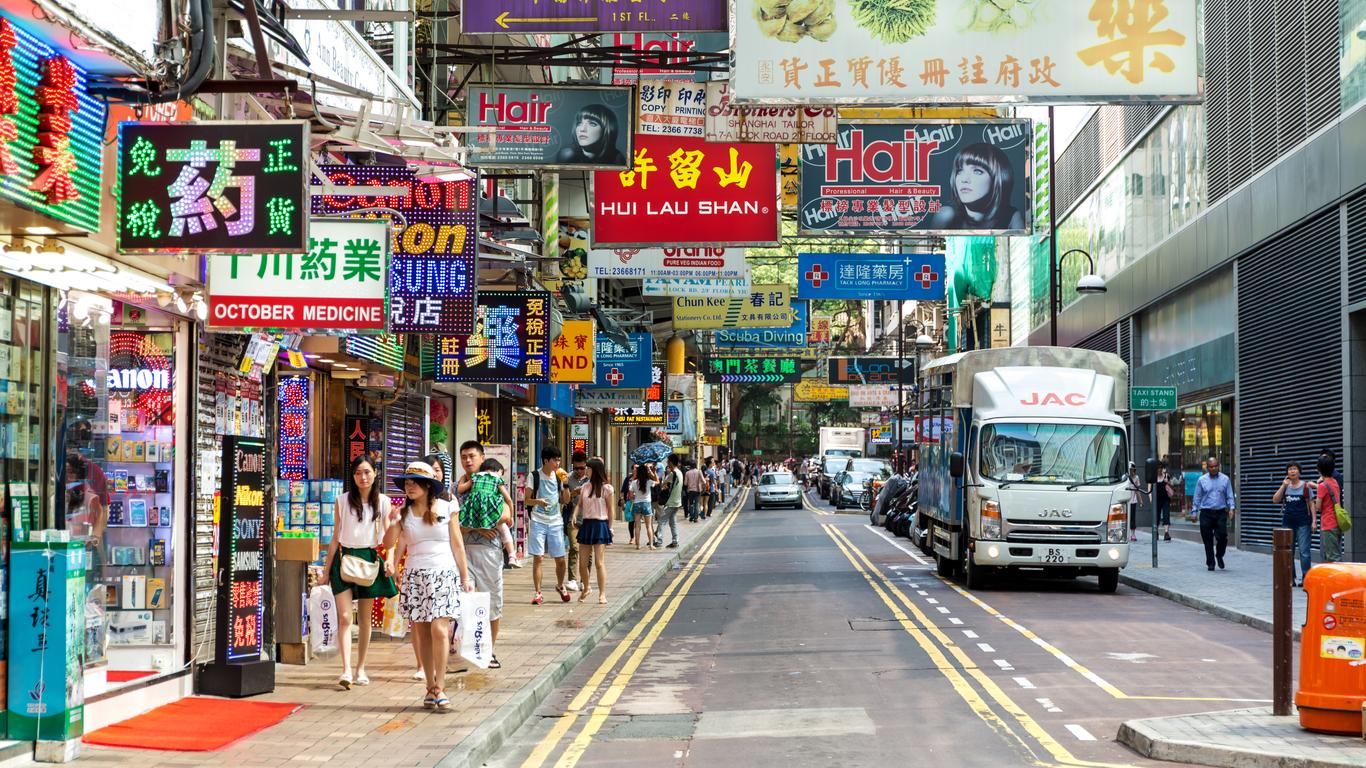
Hong Kong enters 2026 as one of Asia’s most adaptable headquarters locations for founders, investors, and regional leadership teams. Its proximity to Mainland China and ASEAN, combined with a predictable compliance environment, offers companies an efficient base for cross-border operations. For businesses planning multi-market expansion, Hong Kong provides the stability, clarity, and international standards needed to scale across the region.
Founders evaluating China-facing opportunities may benefit from understanding Hong Kong’s role as a gateway to Mainland China.
Whether you are setting up a new entity, reorganising an existing structure, or expanding into several countries, this guide highlights the most profitable Hong Kong business models shaping regional strategies in 2026 and why the city remains a preferred headquarters location.
Why Hong Kong Works as a Strategic HQ
1. Gateway to Mainland China and the Greater Bay Area
Hong Kong provides smooth access to Mainland China through CEPA. Companies can operate, trade, and collaborate across the GBA while maintaining international standards.
2. Direct Connectivity With Fast-Growing ASEAN Markets
Hong Kong is widely used by companies scaling into Southeast Asia. Insights from the Hong Kong ASEAN e-commerce playbook illustrate how brands leverage Hong Kong as a bridge into new markets.
3. Consistent Regulatory and Legal Framework
Hong Kong’s common law foundations and transparent reporting approach offer reliable compliance, contract enforcement, and governance.
4. Competitive Source-Based Tax System
Only profits earned in Hong Kong are taxable, resulting in efficient corporate structures. For early-stage planning, founders can refer to the guide to starting a business in Hong Kong.
How to Evaluate Whether Hong Kong Should Be Your Regional HQ
A practical framework for founders preparing multi-market expansion.
Market Access
- Will you serve Mainland China, the GBA, or multiple ASEAN markets
• Do you need a neutral command centre for expansion
Tax Structure
- Does source-based taxation benefit your model
• Do you need structured profit allocation
Licensing Requirements
Certain models require sector-specific approvals, such as the MSO licence or the SFC licence.
Capital Flow and Treasury
- Do you need banking stability and multi-market treasury control
Team Mobility
- Will teams operate across Hong Kong, the GBA, and ASEAN
Operational Governance
- Do investors require strong audit and compliance structures
• Does your business require international governance standards
Foreign entrepreneurs can also review why Hong Kong remains attractive for international founders here.
High-Growth Business Models Suited for a Hong Kong HQ in 2026
1. Fintech, Payments, and Digital Asset Services
Hong Kong’s fintech ecosystem continues to expand through clearer licensing and regulatory development.
Key considerations
• MSO licensing
• AML and KYC readiness
• Regulated reporting
• Banking and treasury setup
For licensing requirements, refer to the MSO licence guide
Hong Kong provides a mature financial ecosystem with secure cross-border settlement channels.
2. Global Trading, Distribution, and Supply Chain Management
Hong Kong remains a core logistics hub for Mainland China, Southeast Asia, and global supply chains.
Key considerations
• Import-export registration
• Profit attribution
• Transfer pricing
• Multi-entity management
Founders planning trading structures can begin with the Hong Kong incorporation overview or explore the import-export business guide.
3. Consulting, Advisory, and Professional Services
Consulting firms value Hong Kong for its contractual stability and multi-market accessibility.
Key considerations
• Efficient setup
• Cross-border invoicing
• IP protection
• Predictable compliance
Learn more about Hong Kong company structure types to support planning.
4. Technology, AI, and Digital Solutions Providers
Hong Kong’s link with the GBA positions it well for innovation-driven businesses.
Key considerations
• IP and software protection
• Access to GBA talent
• R&D funding
• SaaS banking workflows
The innovation ecosystem is supported by government incentives listed in the funding schemes guide.
5. E-commerce and Cross-Border Online Brands
Hong Kong enables efficient treasury, fulfilment, and borderless operations for digital-first brands.
Key considerations
• Cross-border fulfilment
• Merchant banking
• Profit attribution
• Annual audit
The e-commerce business guide provides a full breakdown of operational requirements.
What Founders Should Consider Before Launching in 2026
Company Structure
Founders can review the full Hong Kong incorporation service to structure their entity correctly.
Licensing
Some activities require approvals such as the SFC licence.
Tax Planning
Review the Hong Kong corporate tax filing guide for key requirements.
Compliance
Look at the annual compliance requirements and corporate secretarial services.
Banking and Treasury
The business bank account guide outlines documentation and readiness requirements.
Where To Next?
Hong Kong’s position as a strategic headquarters continues to strengthen in 2026. The city provides founders with a stable and internationally aligned environment for scaling into Mainland China and ASEAN. Its consistency, connectivity, and operational clarity make it one of the most effective bases for regional leadership and long-term growth.
InCorp supports founders and leaders across Hong Kong, Singapore, Malaysia, Indonesia, Vietnam, India, and Australia, allowing companies to plan and manage multi-country strategies through a single advisory partner.
FAQs
Is Hong Kong still a competitive headquarters location in 2026?
- Yes. Hong Kong remains one of Asia’s most efficient and internationally aligned bases for regional headquarters. Its proximity to Mainland China and ASEAN, combined with stable regulations, strong banking infrastructure, and a simple tax system, continues to attract founders and global leadership teams.
Which business models benefit the most from a Hong Kong headquarters?
- Fintech, trading, consulting, technology, and e-commerce companies gain the most advantage. These sectors benefit from Hong Kong’s source-based tax structure, clear licensing pathways, strong legal framework, and its ability to serve both Mainland China and Southeast Asia from a single command point.
Do I need a licence to operate my business in Hong Kong?
- Only certain activities require licensing. Common regulated areas include remittance and money service operations, investment advisory and fund-related activities, and specific financial or professional services. Early assessment helps companies avoid delays during incorporation and banking setup.
How does Hong Kong’s tax system work for regional companies?
- Hong Kong uses a source-based tax system. Only profits generated within Hong Kong are taxable. Offshore profits may be exempt if the business can demonstrate that key activities and decision-making occur outside Hong Kong. Proper documentation and clean transaction mapping are important for compliance.
What should founders prepare before incorporating in Hong Kong?
- A clear business model, defined shareholder structure, expected transaction flows, licensing needs, and a compliance roadmap. Founders should also prepare for annual audit, bookkeeping, and company secretarial obligations to ensure banking approval and long-term operational stability.
Are there government incentives available for tech, innovation, or digital growth?
- Yes. Hong Kong offers a range of funding schemes that support R&D, digital transformation, and capability building. These programmes help companies reduce development costs and accelerate commercialisation, particularly for innovation-driven or cross-border technology businesses.
Let Us Help You Successfully Set Up In Hong Kong
About the Author