Hong Kong Jewellery Industry 2025: How Traders Can Stay Competitive and Compliant
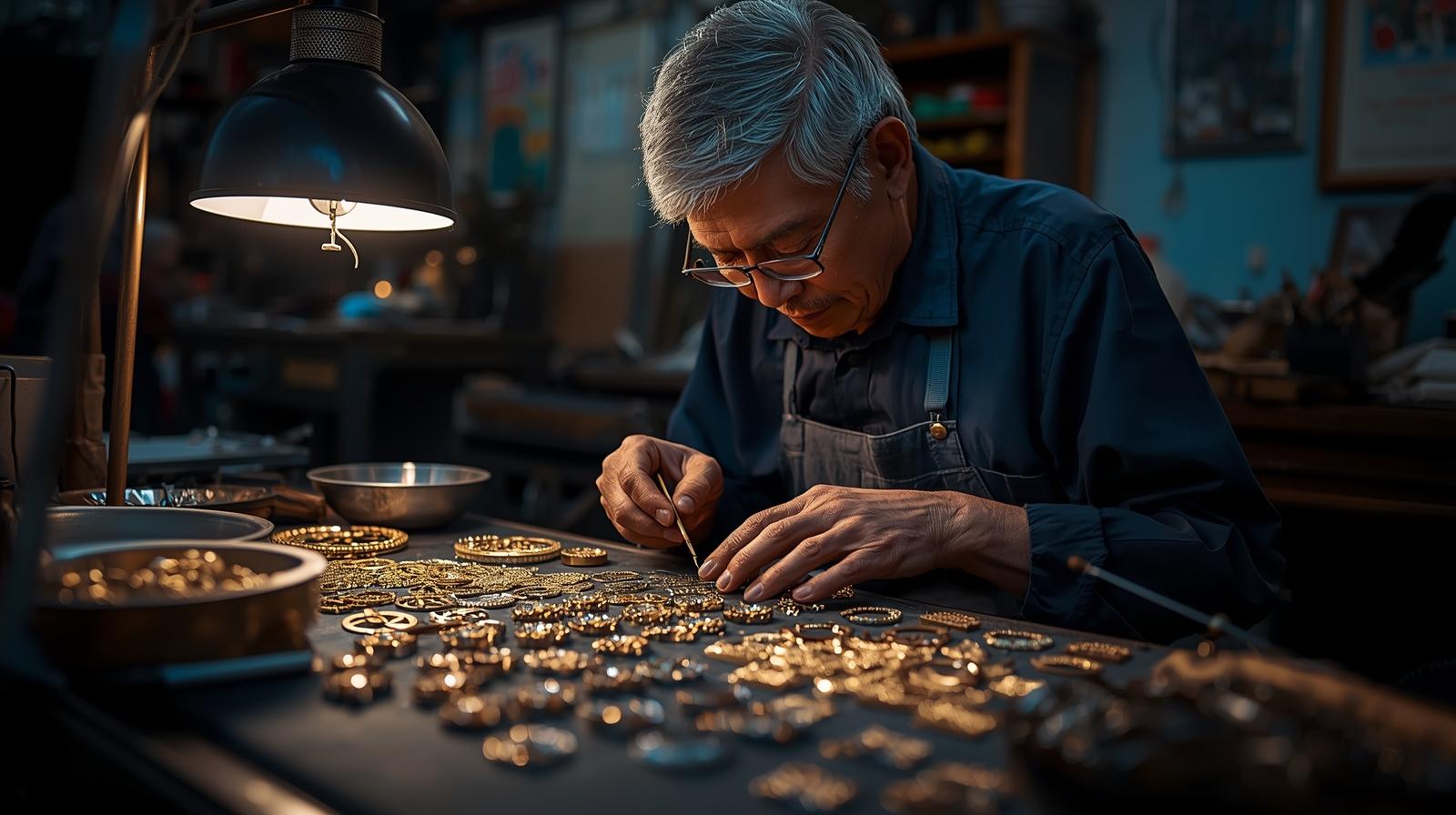
The Hong Kong jewellery industry continues to evolve amid global trade shifts, new compliance regimes, and the rapid rise of lab-grown diamonds.
This article explores the changing dynamics of 2025 and how businesses can leverage Hong Kong’s strategic position, CEPA advantages, and robust regulatory framework to stay competitive and compliant.
Enter the Hong Kong jewellery market with confidence. Partner with InCorp.
A Changing Market, A Resilient Hub
According to the HKTDC Jewellery Industry in Hong Kong report, the city remains one of the world’s most established centres for design, trading, and manufacturing support. Its long-standing reputation for craftsmanship, free trade, and trusted financial infrastructure has made it a preferred gateway between Mainland China and global luxury markets.
While the sector has regained momentum after pandemic-era disruptions, it is also undergoing structural change.
- Fine jewellery exports declined slightly in 2024, while imitation and demi-fine jewellery grew, supported by digital sales and lifestyle-driven consumers.
- Lab-grown diamonds (LGD) have moved from niche curiosity to mainstream category, reshaping sourcing, pricing, and marketing.
- Global traceability and sanction regimes—including restrictions on Russian-origin diamonds—are compelling traders to tighten documentation and audit trails.
- Volatile gold prices and currency fluctuations are influencing cost planning and cash flow management.
Hong Kong’s competitive edge now lies not only in speed and access, but also in regulatory discipline, transparent documentation, and operational precision. For traders, manufacturers, and brand owners, these capabilities determine both market access and profit sustainability.
Why Hong Kong Still Matters
Hong Kong provides structural and fiscal advantages for jewellery enterprises:
- Zero import duties and a straightforward tax regime.
- Preferential access to Mainland China under CEPA.
- Dense infrastructure of gem laboratories, logistics providers, and trade exhibitions.
- Robust IP protection and advanced financial systems for high-value trade.
However, capturing these benefits depends on proper documentation, compliance, and legal setup.
Operating in the Hong Kong Jewellery Industry in a New Regulatory Environment
Global jewellery trade is now defined by compliance transparency. From origin documentation to anti–money laundering requirements, every transaction must stand up to international scrutiny. Hong Kong’s regulatory landscape supports this shift — but businesses must structure their operations correctly to benefit from it.
Making the Most of CEPA
The Closer Economic Partnership Arrangement (CEPA) allows eligible Hong Kong–made jewellery to enter Mainland China tariff-free. To qualify, companies must ensure that key production processes such as design, moulding, or setting occur in Hong Kong and are properly documented through Certificates of Origin.
Meeting Dealer Registration and AML Standards
Since the introduction of the Dealers in Precious Metals and Stones (DPMS) regime, all entities dealing with gold, diamonds, and other precious stones above defined thresholds must register with the Customs and Excise Department. This registration also ties into Hong Kong’s anti–money laundering (AML) framework, which requires sound record-keeping and risk assessment procedures.
Our team manages end-to-end registration, drafts AML policies tailored to jewellery trading, and maintains compliance logs aligned with renewal requirements.
Strengthening Traceability in Diamond Trade
With the G7’s restrictions on Russian-origin diamonds, origin verification has become essential for exporters and wholesalers. Hong Kong traders increasingly rely on transparent sourcing systems supported by the Kimberley Process and Responsible Jewellery Council standards.
Structuring for Growth and Risk Protection
A formal Hong Kong entity enhances credibility and operational efficiency. Proper structuring reduces banking delays and regulatory exposure.
| Business Model | Recommended Structure | Compliance Focus | Typical Setup Time |
|---|---|---|---|
| B2B Trading | Private Limited Company | CEPA documentation, AML policy | 7–10 days |
| OEM / ODM Manufacturing | HK entity linked to Mainland factory | COO validation, supplier declarations | 2 weeks |
| Retail & E-commerce | HK Company + foreign VAT registration | Cross-border invoicing support | 3 weeks |
| Diamond Trading | DPMS-registered HK Company | AML manual, source-of-funds checks | 10 days |
InCorp Hong Kong helps companies establish the right structure, prepare bank onboarding packs, and implement documentation standards that reduce compliance friction.
Digital and Trade Fair Channels
The Hong Kong jewellery industry continues to bridge physical and digital commerce.
Prominent fairs such as Jewellery & Gem WORLD (JGW) and JCK Las Vegas remain key networking platforms, while e-commerce has become an equally powerful sales channel.
Key Channels
- TikTok Shop and Little Red Book (Xiaohongshu) for high-margin demi-fine segments.
- Cross-border platforms with AR try-on and secure payments.
- Virtual trade exhibitions for global outreach.
InCorp Hong Kong supports businesses with e-commerce compliance, cross-border tax requirements, and HR setup for local marketing teams.
90-Day Compliance and Market Entry Plan
| Phase | Objective | Core Actions |
|---|---|---|
| Weeks 1–2 | Incorporation & Documentation | Register company, prepare AML manual, verify CEPA eligibility |
| Weeks 3–6 | Vendor Readiness | Collect supplier declarations, organise COO documentation, onboard logistics partners |
| Weeks 7–12 | Sales Execution | Track trade fair leads, implement credit insurance, issue compliant invoices |
Deliverables
- CEPA and COO templates
- Supplier AML declaration forms
- Bank onboarding checklist
- 90-day implementation roadmap
Where To Next?
The Hong Kong jewellery industry stands at the intersection of tradition and transformation. Its craftsmanship, logistics strength, and financial transparency continue to make it the region’s preferred trading base — but future growth depends on precision and compliance.
As global buyers demand traceability and regulators tighten oversight, success will favour companies that combine operational agility with regulatory discipline. Hong Kong remains the bridge, and with the right structure and compliance foundation, traders can secure both access and advantage.
InCorp Hong Kong supports jewellery traders, manufacturers, and brand owners through company incorporation, DPMS registration, AML compliance, accounting, and cross-border operations. With our integrated expertise, your business can stay compliant, scalable, and ready for global growth.
FAQs on Hong Kong's Jewellery Industry
What makes the Hong Kong jewellery industry globally competitive?
- Hong Kong’s tax efficiency, CEPA access to Mainland China, and mature logistics network make it a preferred base for traders and manufacturers seeking both speed and compliance assurance.
What benefits does CEPA offer to Hong Kong jewellery exporters?
- CEPA allows qualifying Hong Kong–made jewellery to enter Mainland China tariff-free. Companies must document qualifying manufacturing processes such as moulding, setting, or finishing within Hong Kong to enjoy this benefit.
Who needs to register under Hong Kong’s Dealers in Precious Metals and Stones (DPMS) regime?
- Any business dealing in precious metals, gemstones, or diamonds that meets specified transaction thresholds must register with the Customs and Excise Department to comply with AML obligations.
How do lab-grown diamonds (LGDs) affect the Hong Kong jewellery market?
- LGDs have gained strong traction in mid-range and bridal segments. Traders and retailers increasingly carry both natural and lab-grown lines, provided documentation and disclosure remain clear to maintain consumer trust.
What steps can jewellery traders take to comply with international diamond traceability rules?
- Implement supplier declarations, Kimberley Process certificates, and chain-of-custody documentation to verify non–Russian origin and ensure transparency with international buyers.
How can InCorp Hong Kong assist jewellery businesses expanding into the market?
- InCorp Hong Kong supports traders and brands through entity setup, CEPA and DPMS compliance, AML policy preparation, accounting and payroll solutions, and structured onboarding for cross-border banking and trade readiness.
Scale your jewellery operations through Hong Kong with ease
About the Author